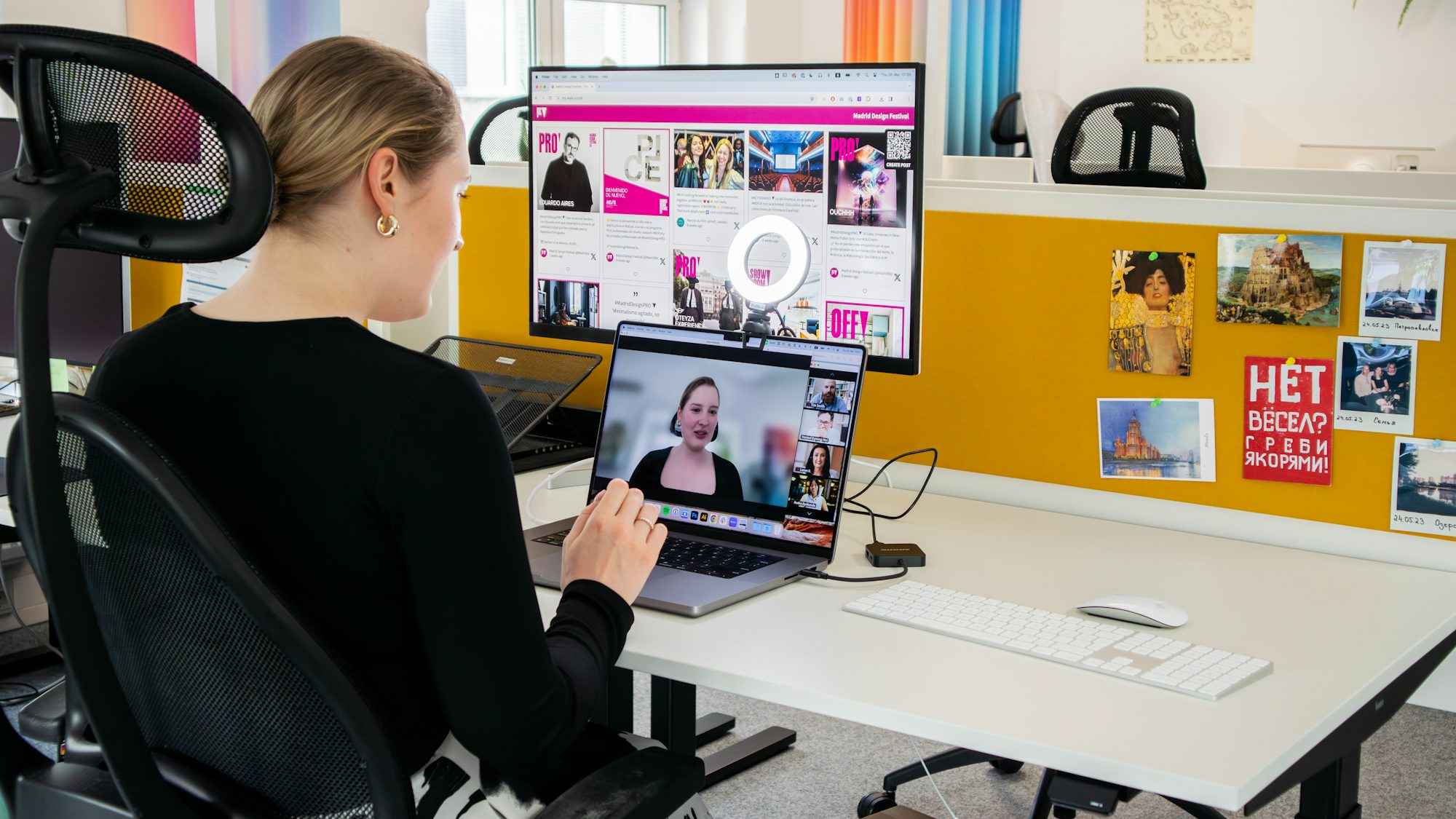
At the core of every personal computer lies the Central Processing Unit (CPU), often referred to as the brain of the machine. In the early days, CPUs were relatively simple, with basic instruction sets that limited their performance. However, technological advancements have led to the development of multi-core processors that can handle multiple tasks simultaneously. This evolution has significantly improved computing efficiency, allowing users to run demanding applications, multitask seamlessly, and enjoy smoother gaming experiences. Modern CPUs now incorporate features such as hyper-threading and integrated graphics, further enhancing their capabilities and making them integral to today’s computing needs.
Alongside the CPU, the Graphics Processing Unit (GPU) has emerged as a powerhouse in personal computing. Initially designed solely for rendering graphics, GPUs have expanded their role to handle complex computations, particularly in gaming and graphic design. The introduction of dedicated graphics cards revolutionized how visual content is produced and consumed. With advancements in technologies such as ray tracing and machine learning, GPUs now deliver stunning visuals and immersive experiences, catering to both gamers and professionals in creative fields. The ability to render high-resolution graphics in real-time has elevated gaming and multimedia applications to new heights, transforming them into experiences that captivate users.
Storage solutions have also witnessed significant changes over the years. Early personal computers relied heavily on Hard Disk Drives (HDDs), which provided substantial storage but were limited in speed. As software and games grew more complex, the need for faster data access became apparent. This demand led to the rise of Solid-State Drives (SSDs), which use flash memory to deliver lightning-fast read and write speeds. The transition to SSDs has drastically reduced boot times and loading screens, allowing users to access their files and applications almost instantaneously. With the continued development of NVMe technology, SSDs are now more powerful than ever, providing a seamless experience for both everyday tasks and resource-intensive applications.
The motherboard is another essential component that has evolved alongside other hardware. Acting as the central hub that connects all components, modern motherboards are designed to support a wide range of functionalities. They include multiple ports for peripherals, integrated Wi-Fi capabilities, and advanced cooling solutions to manage heat generated by powerful components. This evolution enables users to build customizable systems tailored to their loospscale app specific needs, whether for gaming, content creation, or general use. Enhanced connectivity options, such as USB-C and Thunderbolt, have further improved the versatility and performance of personal computers, making it easier than ever to connect a variety of devices.
As personal computing has evolved, so too have peripheral devices. Keyboards and mice have transitioned from basic input devices to sophisticated loopscale app tools that enhance productivity and gaming performance. Mechanical keyboards, for instance, provide tactile feedback that many users prefer for typing and gaming. High-DPI mice allow for precision control, crucial in competitive gaming scenarios. Moreover, the integration of customizable features, such as programmable buttons and RGB lighting, has allowed users to personalize their setups to reflect their preferences and style. The growth of ergonomic designs also highlights a focus on user comfort, addressing the long-term health concerns associated with prolonged computer use.
Displays have also undergone a transformation, with advancements in screen technology providing users with more immersive experiences. From the introduction of color monitors to today’s ultra-high-definition (UHD) displays, the visual quality of personal computing has dramatically improved. Technologies such as OLED and HDR have elevated the clarity and vibrancy of images, making them more lifelike. Additionally, the rise of curved and ultrawide monitors offers users an expansive field of view, enhancing productivity for multitaskers and providing an immersive experience for gamers.
Networking hardware has also played a pivotal role in shaping personal computing. As the demand for connectivity has increased, so has the sophistication of networking devices. Modern routers and switches are equipped with advanced features, such as dual-band frequencies and Quality of Service (QoS) settings, enabling users to manage their internet traffic efficiently. The rise of mesh networking systems has further improved wireless coverage, ensuring that users can maintain stable connections throughout their homes, regardless of the number of devices in use. This seamless connectivity is essential in today’s world, where remote work and online collaboration are commonplace.
In recent years, the rise of cloud computing has also influenced personal computing. With cloud services, users can store and access their files and applications online, reducing the need for extensive local storage. This shift not only enhances collaboration but also allows for greater flexibility in how users manage their computing resources. As more applications become cloud-based, the importance of reliable networking hardware cannot be overstated, as it directly impacts the efficiency and speed at which users can access their data.
Looking forward, the future of personal computing will undoubtedly be shaped by ongoing hardware innovations. Emerging technologies, such as artificial intelligence (AI) and machine learning, are beginning to find their way into consumer devices, promising to enhance user experiences further. AI-driven applications can optimize system performance, automate tasks, and provide personalized recommendations, making computing more intuitive and efficient. Additionally, advancements in quantum computing and processing power may revolutionize how we approach complex problem-solving and data analysis in the future.
In conclusion, the evolution of personal computing is a testament to the remarkable advancements in hardware technology. From powerful CPUs and GPUs to fast storage solutions and innovative peripherals, each component contributes to a richer user experience. As we continue to embrace new technologies and demands, staying informed about these advancements will empower users to make the most of their personal computing setups. The journey of personal computing is far from over, and with each innovation, we move closer to a future where technology seamlessly integrates into our daily lives, enhancing productivity, creativity, and enjoyment.